Women’s menstrual health is a crucial aspect of overall well-being. It not only reflects reproductive health but also indicates hormonal balance and general physical condition. Despite menstruation being a natural biological process experienced by millions of women worldwide, many still lack access to reliable information regarding proper menstrual hygiene, healthy habits during periods, and effective ways to manage menstrual-related problems.
A healthy menstrual cycle typically occurs every 21 to 35 days and involves a complex interaction of hormones that prepare the body for pregnancy. When managed properly, menstruation should not significantly interfere with daily activities. However, poor hygiene practices, lack of awareness, and lifestyle factors can sometimes lead to discomfort, infections, or long-term health complications.
Understanding women’s menstrual health, adopting the best menstrual hygiene practices, and following a healthy period care routine can help women manage their menstrual cycles comfortably and safely. This comprehensive guide explores the importance of menstrual hygiene for women, practical menstrual hygiene tips for women, and solutions to common menstrual health problems.
Understanding Women’s Menstrual Health
Women’s menstrual health refers to the physical, hormonal, and emotional aspects associated with the menstrual cycle. Menstruation occurs when the uterus sheds its lining if pregnancy does not occur. This process results in bleeding that typically lasts between 3 to 7 days.
Maintaining good menstrual health is essential because irregularities in the menstrual cycle can sometimes indicate underlying health issues. A balanced lifestyle, proper nutrition, and good hygiene practices help ensure a healthy menstrual cycle.
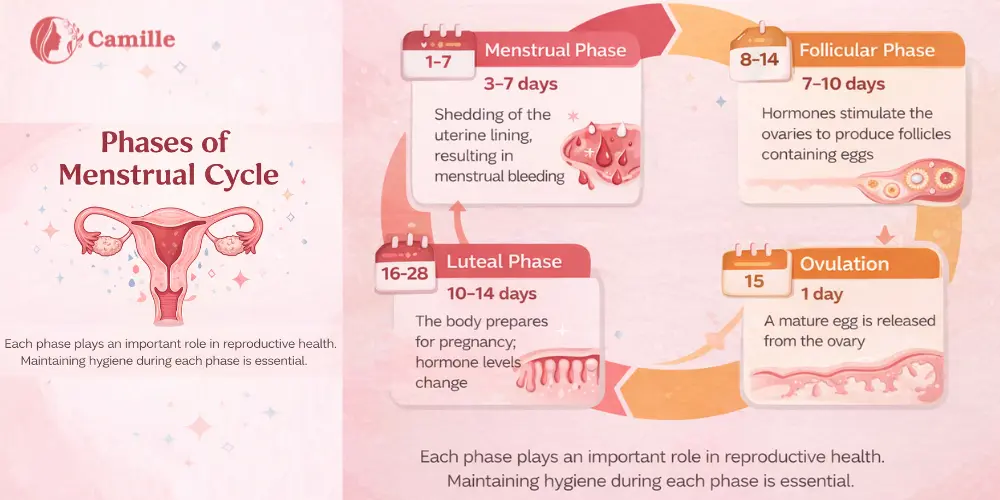
Phases of the Menstrual Cycle
| Phase | Duration | Description |
| Menstrual Phase | 3–7 days | Shedding of the uterine lining, resulting in menstrual bleeding |
| Follicular Phase | 7–10 days | Hormones stimulate the ovaries to produce follicles containing eggs |
| Ovulation | 1 day | A mature egg is released from the ovary |
| Luteal Phase | 10–14 days | The body prepares for pregnancy; hormone levels change |
Each phase plays an important role in reproductive health. Maintaining hygiene and following healthy habits during these phases contributes to better women’s menstrual health.
Importance of Menstrual Hygiene for Women
The importance of menstrual hygiene for women extends far beyond basic cleanliness. Maintaining proper hygiene during periods is a key factor in protecting and improving women’s menstrual health. Good menstrual hygiene practices help prevent infections, reduce discomfort, and support overall reproductive well-being. When women use clean and safe sanitary products, change them regularly, and maintain proper personal hygiene, they significantly lower the risk of harmful bacterial growth that can affect women’s menstrual health.
Poor hygiene during menstruation can lead to several health issues. Using the same sanitary product for too long or not cleaning the intimate area properly may cause bacterial or fungal infections. These infections can result in itching, irritation, unpleasant odor, and in some cases may even lead to urinary tract infections (UTIs) or other reproductive health problems. Such conditions can negatively impact women’s menstrual health and overall comfort during the menstrual cycle.
Maintaining good menstrual hygiene also helps women feel more confident and comfortable in their daily activities. Simple habits such as changing sanitary pads or menstrual products every few hours, washing hands before and after changing them, wearing clean and breathable underwear, and keeping the genital area dry play a crucial role in supporting women’s menstrual health. By prioritizing proper hygiene and awareness, women can protect their bodies, prevent health complications, and experience a safer and healthier menstrual cycle.
Key Benefits of Maintaining Menstrual Hygiene
| Benefit | Explanation |
| Prevents infections | Changing sanitary products regularly reduces bacterial growth |
| Protects reproductive health | Proper hygiene maintains a healthy vaginal environment |
| Improves comfort | Clean and dry protection prevents rashes and irritation |
| Promotes confidence | Women can continue work, education, and daily activities comfortably |
| Reduces unpleasant odor | Good hygiene practices maintain freshness |
Menstrual hygiene management is particularly important for teenagers and young women who are just beginning their menstrual journey. Proper education helps them develop healthy habits early in life.
Menstrual Hygiene Tips for Women
Following proper menstrual hygiene tips for women can significantly improve comfort and reduce the risk of infections during periods.
Essential Hygiene Tips
1. Change Sanitary Products Regularly
Sanitary pads, tampons, or menstrual cups should be changed regularly. Pads should ideally be replaced every 4–6 hours, even if the flow is light.
2. Wash Hands Before and After Changing Pads
Maintaining hand hygiene prevents the transfer of bacteria and germs.
3. Clean the Intimate Area Properly
Use clean water or mild soap to wash the genital area. Avoid harsh or heavily scented products that may disturb the natural pH balance.
4. Wear Comfortable and Breathable Clothing
Cotton underwear allows proper air circulation and reduces moisture accumulation, preventing rashes and irritation.
5. Dispose of Sanitary Products Safely
Used sanitary pads should be wrapped and disposed of properly in a bin. They should never be flushed down the toilet.
Quick Hygiene Checklist
| Hygiene Practice | Recommended Frequency |
| Change sanitary pad | Every 4–6 hours |
| Wash genital area | Twice daily |
| Replace underwear | Daily |
| Dispose sanitary products | Immediately after use |
Practicing these hygiene tips ensures safety and supports long-term women’s menstrual health.
Healthy Period Care Routine
A healthy period care routine plays a vital role in helping women manage discomfort and maintain both physical and emotional well-being during menstruation. Following the right habits during this time supports women’s menstrual health and allows women to go through their menstrual cycle with greater comfort and confidence. Proper care during periods not only helps reduce common symptoms but also promotes long-term reproductive health and overall wellness.
Many women experience symptoms such as fatigue, abdominal cramps, headaches, or mood swings during menstruation. These symptoms are a natural part of the menstrual cycle, but taking simple steps can make a significant difference in improving women’s menstrual health. Eating a balanced and nutritious diet, staying hydrated, and getting enough rest can help the body maintain energy levels and reduce discomfort during periods.
Regular light exercise, such as walking, yoga, or stretching, can also help relieve menstrual cramps and improve blood circulation. These activities release endorphins, which are natural mood boosters that support emotional balance and strengthen women’s menstrual health. In addition, practicing relaxation techniques like deep breathing or meditation can help manage stress and mood changes that sometimes occur during menstruation.
Maintaining proper menstrual hygiene and using comfortable, high-quality sanitary products is another important aspect of supporting women’s menstrual health. Changing sanitary products regularly and wearing breathable clothing can prevent irritation and infections. By adopting these simple lifestyle adjustments and self-care practices, women can better manage period-related symptoms and ensure a healthier and more comfortable menstrual experience.
Daily Period Care Routine
| Activity | Benefit |
| Drink sufficient water | Prevents dehydration and reduces bloating |
| Eat balanced meals | Supports hormonal balance |
| Light exercise or yoga | Relieves cramps and improves mood |
| Adequate sleep | Helps the body recover from hormonal changes |
| Use comfortable sanitary products | Ensures protection and confidence |
Recommended Foods During Periods
Nutrition plays an important role in menstrual health. Eating the right foods helps maintain energy levels and reduces symptoms such as fatigue and cramps.
Healthy food choices include:
- Iron-rich foods such as spinach and lentils
- Fruits like bananas and oranges
- Whole grains
- Nuts and seeds
- Herbal teas such as ginger or chamomile
These foods help replenish nutrients lost during menstruation and support a healthy menstrual cycle.
Common Menstrual Health Problems
Many women experience common menstrual health problems at some point in their lives. These problems may occur due to hormonal changes, stress, lifestyle factors, or medical conditions.
Common Menstrual Issues
| Problem | Symptoms |
| Dysmenorrhea (Painful periods) | Severe abdominal cramps |
| Menorrhagia (Heavy bleeding) | Excessive menstrual flow lasting more than 7 days |
| Irregular periods | Cycles shorter than 21 days or longer than 35 days |
| Premenstrual Syndrome (PMS) | Mood swings, headaches, fatigue |
| Amenorrhea | Absence of menstruation for several months |
Causes of Menstrual Problems
Several factors may contribute to menstrual issues:
- Hormonal imbalance
- Stress and emotional pressure
- Poor diet and nutritional deficiencies
- Polycystic Ovary Syndrome (PCOS)
- Thyroid disorders
- Excessive physical activity
Early diagnosis and treatment are important if menstrual problems persist.
Best Menstrual Hygiene Practices
Adopting the best menstrual hygiene practices ensures better reproductive health and reduces the risk of infections.
Recommended Hygiene Practices
| Practice | Reason |
| Use high-quality sanitary products | Provides reliable protection |
| Change sanitary protection frequently | Prevents bacterial growth |
| Maintain proper genital hygiene | Reduces infection risk |
| Wear breathable fabrics | Improves comfort |
| Stay hydrated and maintain good nutrition | Supports hormonal balance |
Good hygiene practices not only protect physical health but also contribute to emotional comfort and confidence during menstruation.
Frequently Asked Questions (FAQ)
1. Why is women’s menstrual health important?
Women’s menstrual health reflects hormonal balance and reproductive health. Irregular cycles or severe symptoms may indicate underlying medical conditions.
2. How often should sanitary pads be changed?
Sanitary pads should be changed every 4 to 6 hours to maintain hygiene and prevent infections.
3. What are the most common menstrual health problems?
Common menstrual health problems include painful periods, heavy bleeding, irregular cycles, and premenstrual syndrome (PMS).
4. What foods help maintain healthy periods?
Iron-rich foods, fruits, vegetables, whole grains, nuts, and herbal teas help support hormonal balance and reduce fatigue during menstruation.
5. When should someone see a doctor for menstrual problems?
Medical consultation is recommended if there is severe pain, extremely heavy bleeding, irregular cycles for several months, or absence of periods.
6. Can stress affect menstrual cycles?
Yes, stress can affect hormone levels and lead to delayed or irregular periods.
7. Is exercise safe during periods?
Light exercise such as walking or yoga can actually reduce cramps and improve mood during menstruation.
8. Are menstrual cramps normal?
Mild cramps are common during menstruation. However, severe pain that disrupts daily activities should be evaluated by a healthcare professional.
Conclusion
Women’s menstrual health is an essential part of overall well-being and reproductive health. By understanding the menstrual cycle, maintaining proper hygiene, and following a healthy lifestyle, women can manage their periods more comfortably and confidently.
The importance of menstrual hygiene for women lies in preventing infections, improving comfort, and supporting reproductive health. Practicing menstrual hygiene tips for women, maintaining a healthy period care routine, and being aware of common menstrual health problems can significantly improve quality of life during menstruation.
Education and awareness are key to empowering women and girls to manage their menstrual health with confidence and dignity.
Call to Action (CTA)
Taking care of your menstrual health is an important step toward overall wellness.
✔ Follow proper menstrual hygiene practices
✔ Choose safe and comfortable sanitary products
✔ Maintain a healthy lifestyle during periods
✔ Seek medical advice when needed
Start prioritizing your women’s menstrual health today and create a healthier, more comfortable menstrual experience for yourself and others.
🌸 Learn more about menstrual care and women’s wellness at:
www.camillewomenscare.com